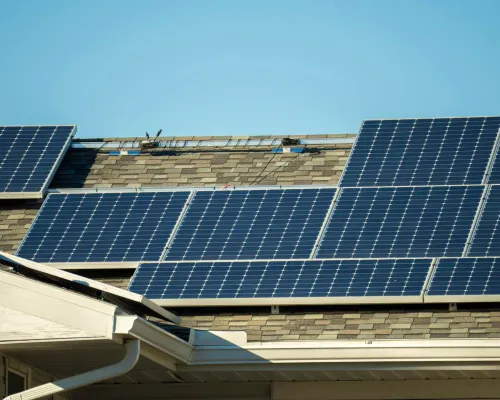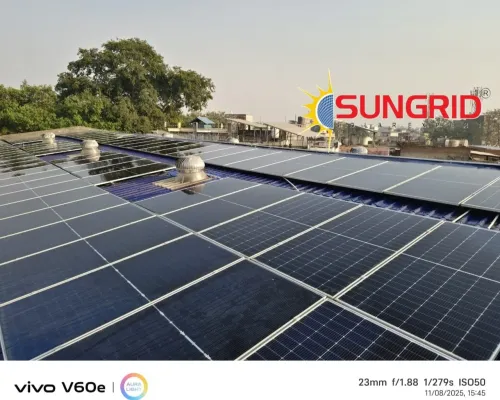


Electricity is a recurring expense for offices, hotels, hospitals, schools, showrooms, warehouses, and retail properties. A Commercial Solar Installation in Haryana can help businesses reduce daytime grid consumption and improve long-term energy planning. The financial outcome, however, depends on selecting the right system capacity and aligning generation with operating hours.
Commercial solar should be treated as an infrastructure investment. A proposal must address technical feasibility, expected generation, safety, approvals, maintenance, and return on investment.
Identify the Business Load Profile in Haryana
Electricity bills show monthly consumption and tariff information, but businesses should also examine when power is used. Properties operating mainly during daylight hours can often consume a high proportion of solar energy directly.
Suitable commercial applications include:
Offices, banks, schools, clinics, and hospitals
Hotels, restaurants, showrooms, and shopping complexes
Warehouses, cold storage support areas, and service centres
Community facilities and institutional buildings
Multi-location businesses with individual electricity connections
Future expansion should also be considered. Additional air-conditioning, equipment, working hours, or electric vehicle charging can change the required capacity.
Examine Roof and Electrical Readiness
A commercial site survey should evaluate usable installation space, roof strength, shadow patterns, cable routes, inverter placement, sanctioned load, and existing electrical panels.
The design must preserve access to water tanks, ventilation equipment, fire exits, drainage points, and maintenance pathways. For rented premises, written permission and clarity regarding the remaining tenancy period are important.
Compare Proposals Beyond Their Total Price
Two quotations for the same capacity may include different equipment, structure specifications, safety provisions, and service commitments.
A detailed proposal should explain:
Panel and inverter makes with warranty coverage
Expected annual generation and calculation assumptions
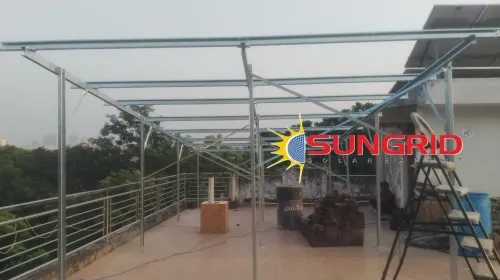
Mounting structure material and installation method
Earthing, lightning protection, and isolation provisions
Monitoring, maintenance, approvals, taxes, and exclusions
Businesses should also ask how system downtime, inverter faults, and warranty claims will be handled.
Assess the Expected Financial Return
Payback depends on system cost, electricity tariff, daytime self-consumption, generation, financing expenses, and maintenance. Claims based only on ideal output can create unrealistic expectations.
Decision-makers should request estimated monthly and annual generation, anticipated degradation, cash-flow projections, and assumptions used for calculating savings. Any tax or accounting benefits should be reviewed according to the organisation’s circumstances.
Prepare the Site Before Installation
The roof should be cleared of unused equipment and pending repair work. Electrical records, sanctioned load details, recent bills, and property authorisations should be available before final design approval.
A well-planned commercial system should reduce energy costs without disrupting business operations. For a technical and financial assessment tailored to your commercial property in Haryana, arrange an evaluation with SUNGRID Solar.