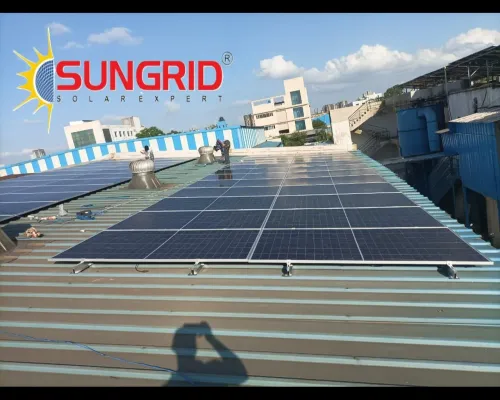

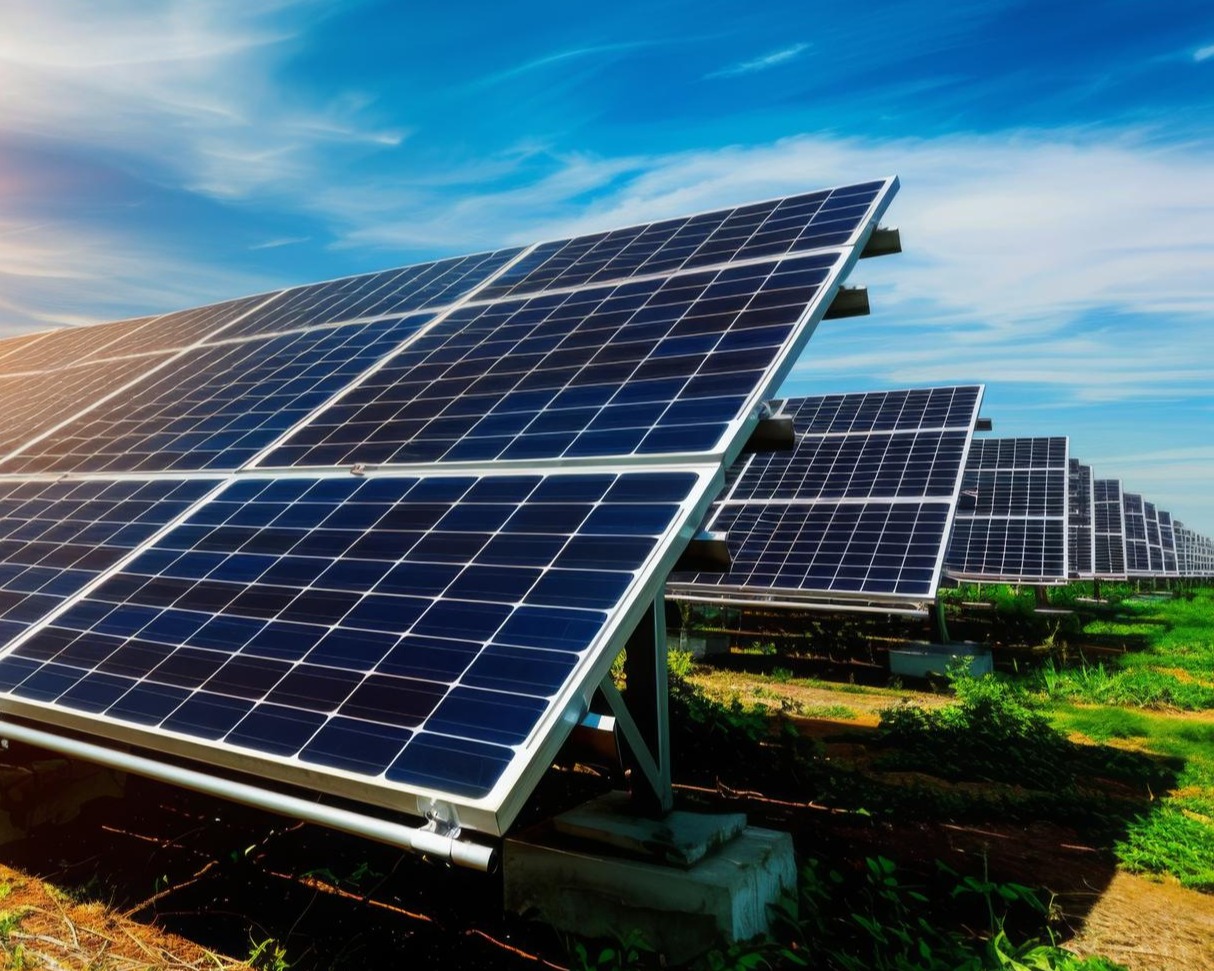
Electricity is a significant operating expense for many offices, retail properties, warehouses, educational institutions, hospitals, hotels, and other commercial facilities. Commercial Solar Solutions can be particularly relevant where substantial electricity consumption occurs during daylight hours, when solar generation is available.
For businesses in Gurugram, Haryana, the important question is not simply whether solar panels can fit on the building. It is how effectively a solar project can align with the property's electricity profile and operational requirements.
Why Daytime Consumption Matters
Solar panels generate electricity during daylight hours.
Commercial properties that consume substantial electricity at the same time may be able to use a significant share of generated solar energy within the facility, depending on system design and the applicable electrical arrangement.
Examples of common daytime loads include:
Air-conditioning
Lighting
Computers and servers
Machinery
Pumps
Refrigeration
Elevators
Office equipment
Ventilation systems
Understanding when electricity is consumed can therefore be as important as knowing total monthly consumption.
Electricity Bills Provide the Starting Data
Businesses considering solar should gather a meaningful period of electricity bills rather than relying on one month's figures.
Review:
Monthly units consumed
Seasonal variations
Demand patterns
Tariff information
Sanctioned load
Major operational changes
A factory with changing production shifts requires a different assessment from an office operating primarily from morning to evening.
Roof Space Is an Operational Asset
Commercial roofs may contain HVAC systems, ducts, tanks, service areas, skylights, fire-safety infrastructure, or other utilities.
Solar layouts must work around these elements while maintaining necessary access.
Warehouses and industrial-style commercial buildings may have extensive roof areas, but structural suitability and roof condition still need to be considered before capacity is finalized.
Financial Evaluation Should Use Realistic Assumptions
Businesses usually want to understand the financial impact of solar.
A useful evaluation considers project cost, expected generation, current electricity tariff, consumption patterns, maintenance, and relevant project-specific assumptions.
Rather than focusing on a single advertised payback figure, decision-makers should ask how the estimate was calculated.
Changes in electricity consumption, tariff structures, system performance, and other factors can affect actual savings.
Operational Disruption Should Be Planned
Commercial properties cannot always stop normal activity during installation.
Project planning should therefore consider working hours, roof access, electrical shutdown requirements, safety restrictions, movement of materials, and coordination with facility teams.
For active business premises in Gurugram, careful scheduling can help installation proceed with less interference to normal operations.
Monitoring Helps Protect the Investment
Once commissioned, commercial solar should not become an invisible rooftop asset.
Regular monitoring can help facility teams compare actual generation with expected performance and identify significant changes that deserve investigation.
Cleaning and preventive maintenance should also reflect site conditions. Dust, nearby construction, and local environmental exposure can affect how frequently modules require attention.
Solar Can Support Broader Business Objectives
The immediate objective may be electricity-cost management, but solar can also form part of broader energy and sustainability planning.
Organizations may use renewable energy initiatives within environmental programmes, corporate sustainability strategies, facility upgrades, or long-term energy planning.
The value of these benefits depends on the organization's goals and reporting requirements.
Commercial solar works best when treated as an engineered business project rather than a simple equipment purchase. For organizations across Gurugram and Haryana, examining consumption, roof conditions, project economics, operational constraints, and long-term monitoring provides a more reliable basis for deciding whether solar fits the facility.