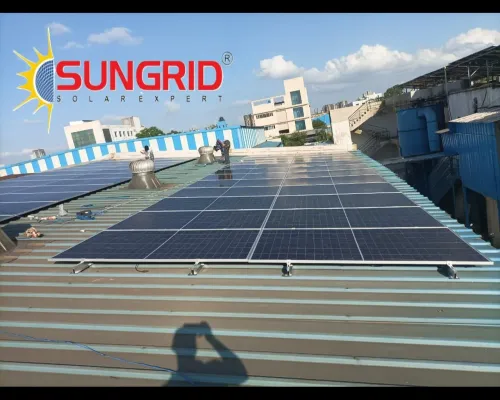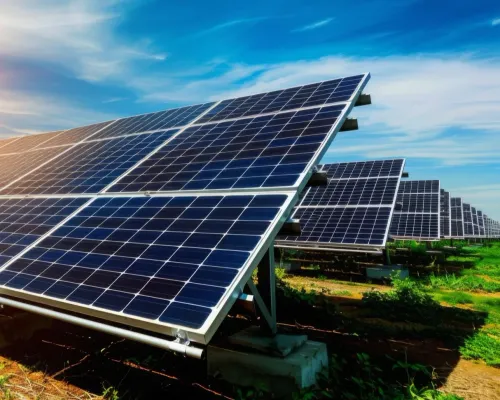

Solar power can reduce dependence on conventional electricity, improve control over monthly expenses, and support cleaner energy use. However, system performance depends heavily on planning, equipment quality, installation practices, and after-sales support. Choosing a dependable Solar Installation Company in Haryana is therefore one of the most important decisions in the process.
Begin With a Site-Specific Solar Assessment in Haryana
Every property has different energy requirements. Roof area, orientation, shading, structural condition, sanctioned electrical load, and monthly consumption influence the recommended system capacity.
A proper assessment should examine:
- Electricity bills from the previous six to twelve months
- Available shadow-free rooftop or ground space
- Roof strength and mounting possibilities
- Daytime and seasonal consumption patterns
- Existing meter type and electrical infrastructure
Avoid selecting capacity solely from an online estimate. A system that is too small may deliver limited savings, while an unnecessarily large installation can increase the initial investment without providing proportional value.
Evaluate Components and Technical Specifications
Solar panels, inverters, mounting structures, cables, protection devices, and earthing systems work together. Buyers should ask for clear specifications rather than accepting vague descriptions such as premium panels or advanced inverters.
Panel efficiency and warranty matter, but they are not the only considerations. The inverter should suit the system design, while the mounting structure must withstand Haryana’s seasonal heat, winds, dust, and rainfall. Proper cable routing and electrical protection are equally important for safe operation.
Check the Installation Process
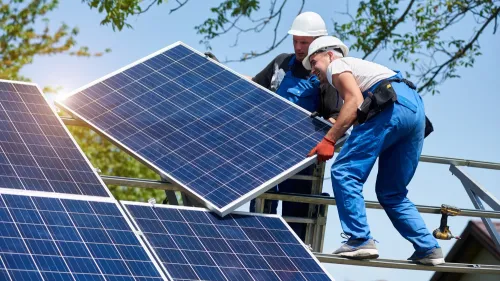
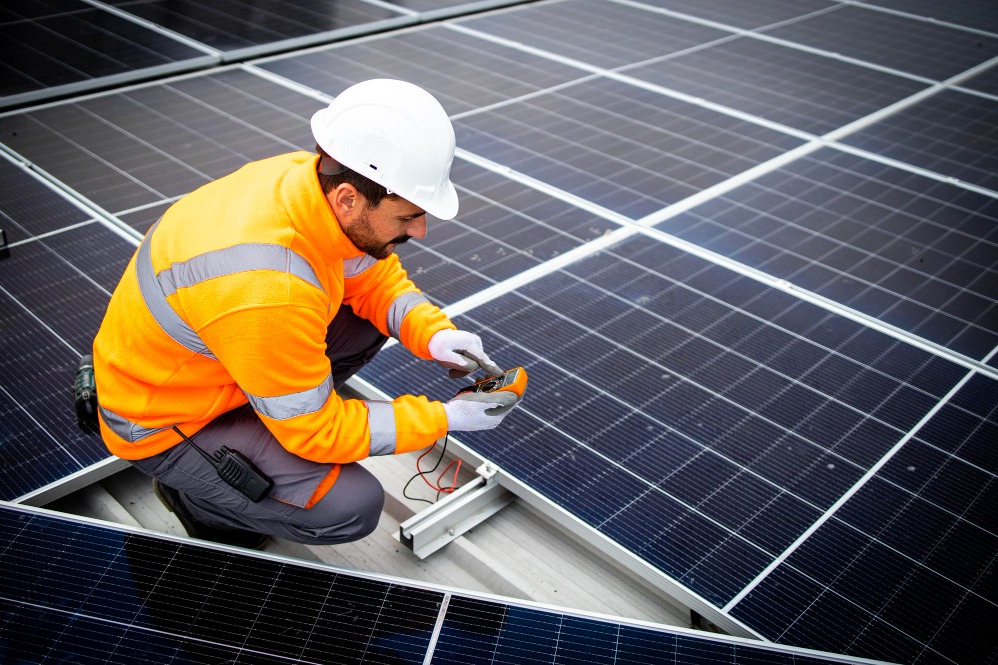
A reliable installer should explain the complete project sequence, including site inspection, system design, material delivery, installation, testing, commissioning, and documentation.
Before finalising a provider, verify:
- Experience with similar residential, commercial, or industrial projects
- Workmanship and equipment warranty terms
- Availability of maintenance support
- Assistance with approvals and net metering, where applicable
- Expected generation estimates and monitoring options
Written quotations should clearly identify system capacity, component brands, taxes, installation charges, approval assistance, warranty coverage, and exclusions. This makes different proposals easier to compare accurately.
Look Beyond the Lowest Quotation
The cheapest proposal may use lighter structures, unsuitable protection devices, lower-grade cabling, or limited service support. Such compromises can affect safety and long-term output.
A better decision considers lifecycle value. This includes expected generation, degradation rate, warranty support, maintenance accessibility, and the installer’s ability to respond when technical issues arise.
Prepare for a More Informed Solar Decision
Property owners should keep recent electricity bills, roof details, sanctioned load information, and ownership documents ready before requesting an assessment. These details help an installer recommend a practical system rather than a generic package.
For a site-focused evaluation and clearly planned solar setup in Haryana, connect with SUNGRID Solar to discuss your electricity usage, available space, and long-term energy goals.