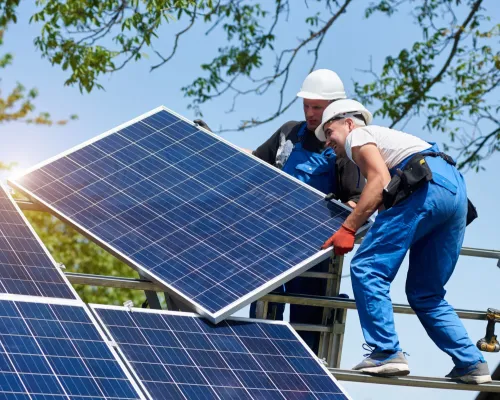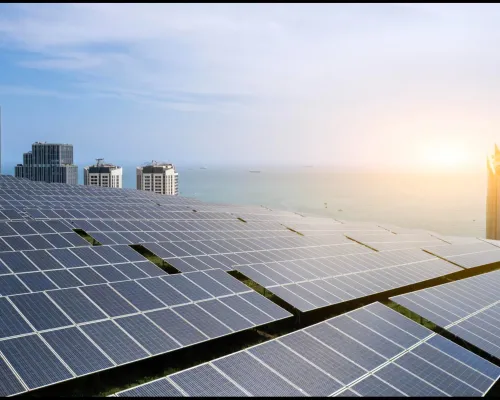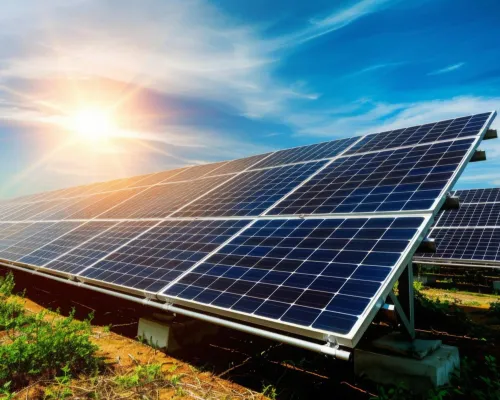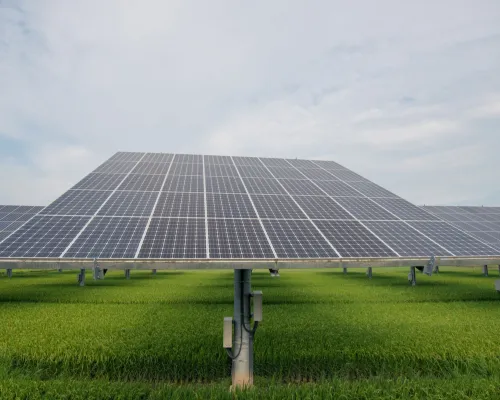

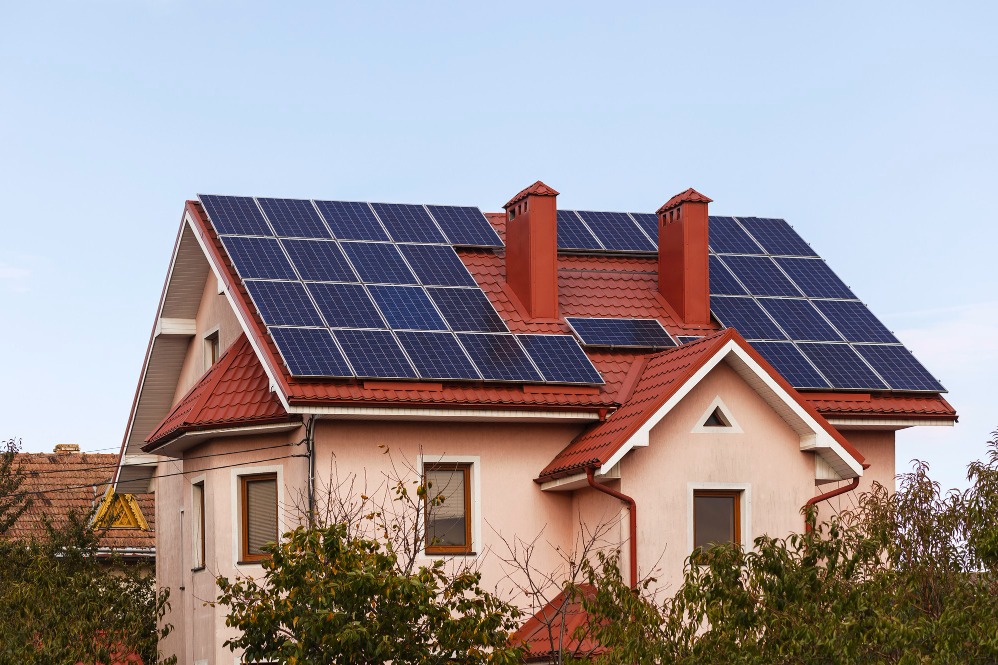
A solar system may reduce electricity costs, but many property owners also want dependable backup during outages. A Hybrid Solar System in Haryana addresses both needs by combining solar generation, battery storage, an intelligent inverter, and grid connectivity within one coordinated setup.
The system can use solar energy during the day, store available energy in batteries, draw electricity from the grid when necessary, and supply selected loads during a power cut.
How a Hybrid Solar System Operates in Haryana
Hybrid inverters manage electricity from multiple sources according to programmed priorities. During sunny hours, solar power may serve active loads first. Excess energy can charge the battery, and further surplus may be handled according to system configuration and local metering provisions.
When solar production decreases, the system can use stored energy or grid electricity. During an outage, the inverter isolates the property from the grid and powers designated backup circuits.
When a Hybrid Setup Makes Sense
A hybrid system may be suitable for:
- Homes facing frequent or inconvenient power interruptions
- Clinics and offices requiring continuity for essential equipment
- Shops that need uninterrupted lighting and billing systems
- Farmhouses with unreliable grid supply
- Small commercial facilities seeking backup and solar savings
It is particularly useful when users want more flexibility than a standard on-grid system but do not need complete off-grid independence.
Decide Which Loads Need Backup
Backing up every appliance can make the battery and inverter unnecessarily expensive. A better approach is to identify essential circuits before designing the system.
Common priority loads include:
- Lights, fans, internet equipment, and security systems
- Refrigerators and selected household appliances
- Computers, billing systems, and communication devices
- Medical or operational equipment with manageable power demand
- Small pumps where starting requirements are properly calculated
Heavy loads such as large air conditioners, industrial motors, heaters, and high-capacity pumps require careful technical evaluation.
Compare Hybrid and Standard On-Grid Solar
On-grid solar is generally simpler and more economical because it does not require battery storage. However, it normally stops supplying electricity when the grid fails.
Hybrid solar costs more initially but can deliver backup and greater control over stored energy. Battery replacement over the system’s life should also be included in financial planning. The right choice depends on outage frequency, essential loads, electricity tariffs, and the value of uninterrupted power.
Plan for Local Operating Conditions
Dust, heat, seasonal fog, and monsoon conditions can affect solar output across Haryana. Panels require periodic cleaning, while batteries need appropriate ventilation and temperature protection.
The design should include safe earthing, surge protection, correct cable sizing, a clearly separated backup circuit, and accessible isolation devices. Users should also receive guidance on system priorities and battery settings.
Choose Capacity Through Proper Assessment
A hybrid system should be sized using electricity bills, appliance loads, desired backup hours, roof space, and grid availability. A generic package may provide insufficient backup or add avoidable costs.
To plan a hybrid solar installation around your power-cut concerns and essential energy needs in Haryana, schedule a site and load assessment with SUNGRID Solar.