
Choosing an Industrial Solar Company is different from arranging a small rooftop installation. Factories, warehouses, manufacturing plants, logistics facilities, and other high-load sites often require more detailed engineering, operational coordination, electrical assessment, and project planning.
For industrial facilities in Gurugram and surrounding Haryana industrial regions, the solar proposal should begin with the facility's actual operating profile.
Map the Facility's Load Pattern
Monthly electricity consumption provides useful information, but industrial projects often require a closer look at when energy is used.
Consider:
Production shifts
Daytime base load
Peak operating periods
Weekend operation
Seasonal production
Planned machinery additions
Facility expansion
A plant operating multiple shifts has a different consumption pattern from a warehouse with relatively stable daytime demand.
Assess the Installation Area
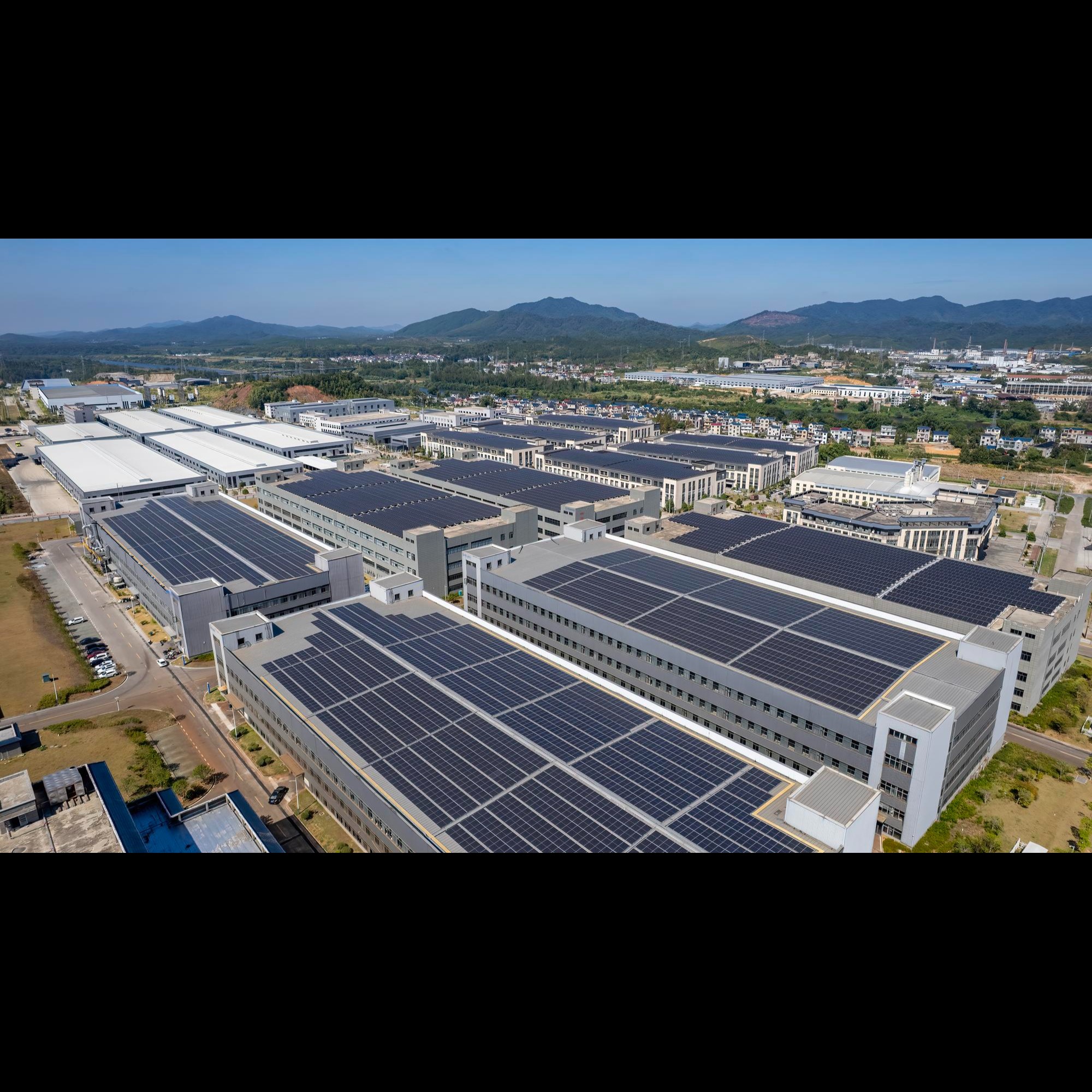
Industrial solar may be installed on large roofs or other technically suitable areas, depending on the site and project design.
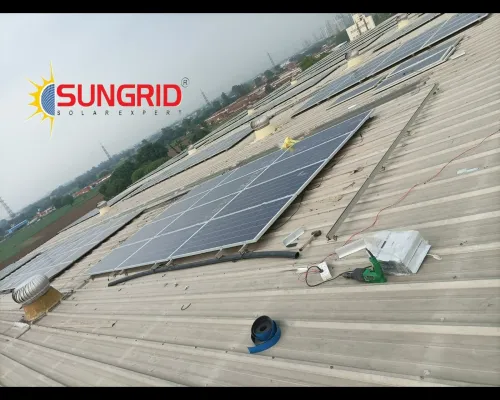
Roof assessment should consider structural conditions, existing equipment, skylights, vents, access routes, drainage, and maintenance requirements.
Industrial roofs may also contain fragile areas or operational restrictions that require careful installation planning.
Examine Electrical Integration
Industrial electrical systems can be more complex than residential systems.
Before finalizing a proposal, the solar company should understand relevant electrical infrastructure and how the proposed system will interface with the facility.
Appropriate engineering, protection, isolation, earthing, and other electrical considerations should form part of project planning.
Ask How Installation Will Affect Operations
Factories cannot always stop production for solar work.
A practical execution plan should address:
Working hours
Material movement
Restricted zones
Roof access
Safety requirements
Electrical shutdowns
Coordination with maintenance teams
Commissioning schedule
The provider should be prepared to work within site-specific operational controls.
Compare Technical Proposals Carefully
Industrial buyers often receive multiple proposals with similar capacities but different prices.
Look beyond the headline figure.
Compare module specifications, inverter design, mounting system, cables, protection equipment, monitoring, engineering scope, project exclusions, warranties, and support.
If one proposal is considerably cheaper, determine what has changed in the technical or commercial scope.
Ask About Performance Monitoring
Large solar installations should be monitored after commissioning.
Facility teams need a practical way to understand generation and recognize meaningful performance changes.
Ask what monitoring system is included, what information it provides, and who assists when abnormal performance is identified.
Preventive maintenance arrangements should also be discussed.
Evaluate Project Management Capability
Industrial solar requires coordination between engineering, procurement, installation teams, facility personnel, and sometimes external stakeholders.
A provider should be able to define responsibilities, milestones, site requirements, and communication channels before execution begins.
Sungrid Projects India Private Limited works with solar energy requirements in Gurugram and can be considered by industrial buyers seeking project evaluation and implementation support.
The selection process should remain evidence-based. Ask prospective providers to explain their engineering assumptions, site approach, equipment specifications, safety planning, commissioning process, and after-sales arrangements.
For industrial facilities, solar is not simply a collection of panels installed on unused roof space. It becomes part of the site's energy infrastructure. Choosing a provider capable of understanding both solar engineering and operational realities can make the project easier to implement, monitor, and maintain over its service life.