
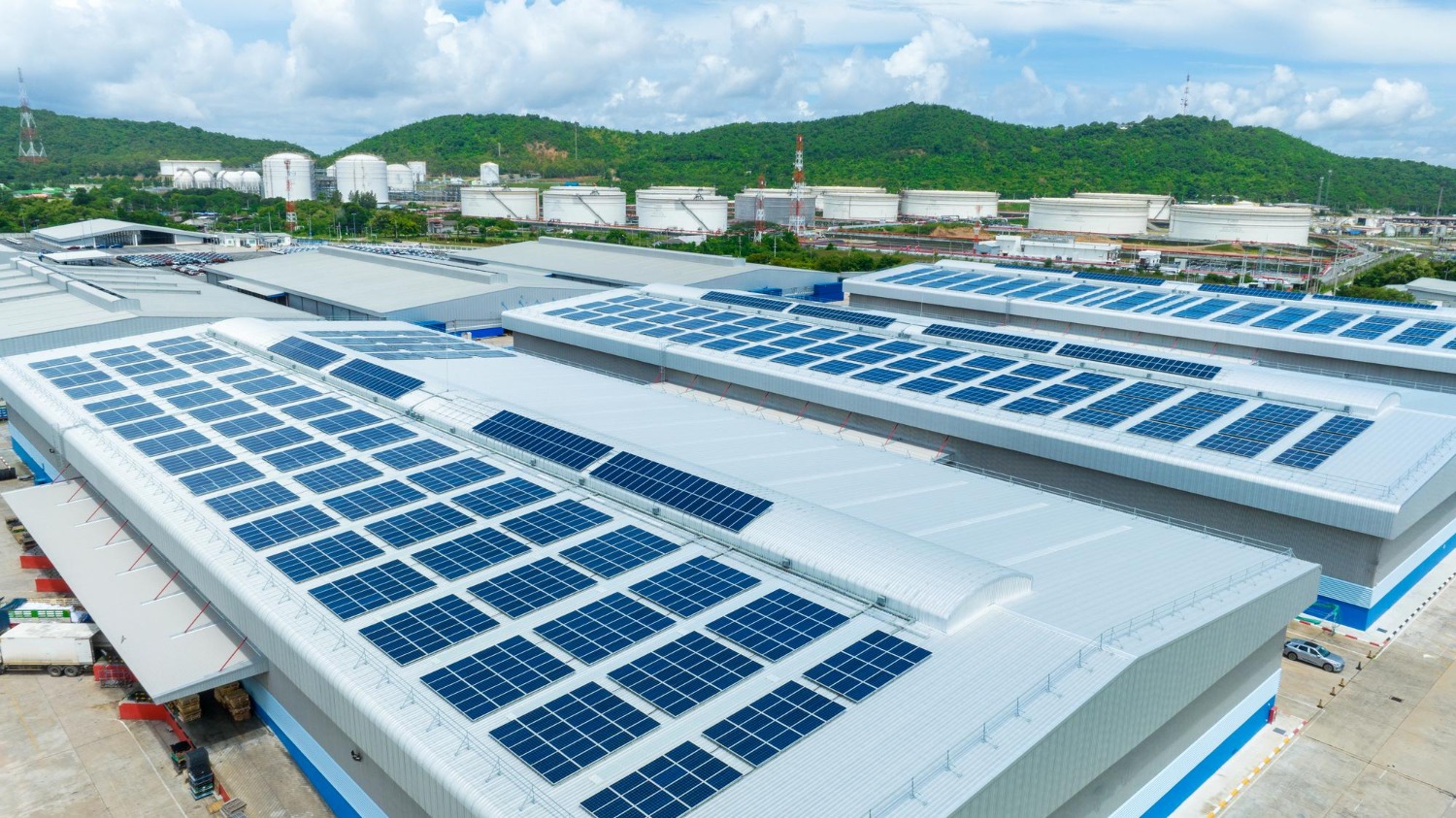
Factories and industrial units consume substantial electricity through machinery, ventilation, compressors, pumps, process equipment, lighting, and utility systems. Industrial Solar Power Solutions in Haryana can offset part of this daytime demand while helping businesses manage energy costs more predictably.
Industrial solar projects require deeper technical planning than standard residential installations. Load behaviour, roof conditions, electrical infrastructure, production schedules, safety procedures, and expansion plans must all be considered.
Match Solar Capacity With Industrial Demand in Haryana
A system should not be sized from roof area alone. Facilities need to review electricity bills, maximum demand, sanctioned load, production shifts, shutdown periods, and hourly consumption.
Operations with steady daytime demand may achieve higher self-consumption. Units that operate mainly at night require a different evaluation because standard on-grid solar produces electricity only during daylight hours.
Select the Most Suitable Installation Area
Industrial properties may offer multiple installation options, including:
RCC rooftops on offices or utility buildings
Metal roofs over production units and warehouses
Ground-mounted areas within the premises
Parking structures or solar carports
Multiple roofs connected through a coordinated design
Each area requires an assessment of structural strength, shading, fire access, drainage, equipment movement, and maintenance safety.
Address Industrial Safety From the Beginning
An industrial solar installation becomes part of the facility’s electrical infrastructure. Proper cable routing, isolation, earthing, surge protection, signage, and access control are essential.
The design should avoid interfering with exhaust systems, roof vents, skylights, fire pathways, cranes, and maintenance zones. Installation schedules may also need to align with production shutdowns or restricted working hours.
Evaluate Providers Through Technical Evidence
Industrial buyers should examine more than panel efficiency or quoted price. The provider must demonstrate the ability to design for large electrical loads and complex site conditions.
Before awarding the project, review:
Experience with comparable industrial facilities
Detailed system drawings and component specifications
Generation assumptions and performance monitoring
Structural and electrical safety approach
Maintenance response, warranties, and documentation support
The proposal should also identify responsibilities for approvals, meter-related work, testing, commissioning, and staff orientation.
Plan Maintenance Around Facility Operations
Dust, industrial emissions, bird droppings, and nearby construction can affect panel output. Cleaning frequency should be based on site conditions rather than a fixed generic schedule.
Remote monitoring can reveal inverter faults, string-level irregularities, or unexpected generation loss. Maintenance teams should receive clear procedures for reporting alerts and safely isolating the installation when required.
Build a Business Case With Realistic Numbers
Financial evaluation should account for installation cost, annual generation, tariff, self-consumption, degradation, downtime, and maintenance. Future electricity demand and facility expansion should also be included.
For an industrial solar plan aligned with your production load, site layout, and operational requirements in Haryana, request a detailed feasibility study from SUNGRID Solar.