


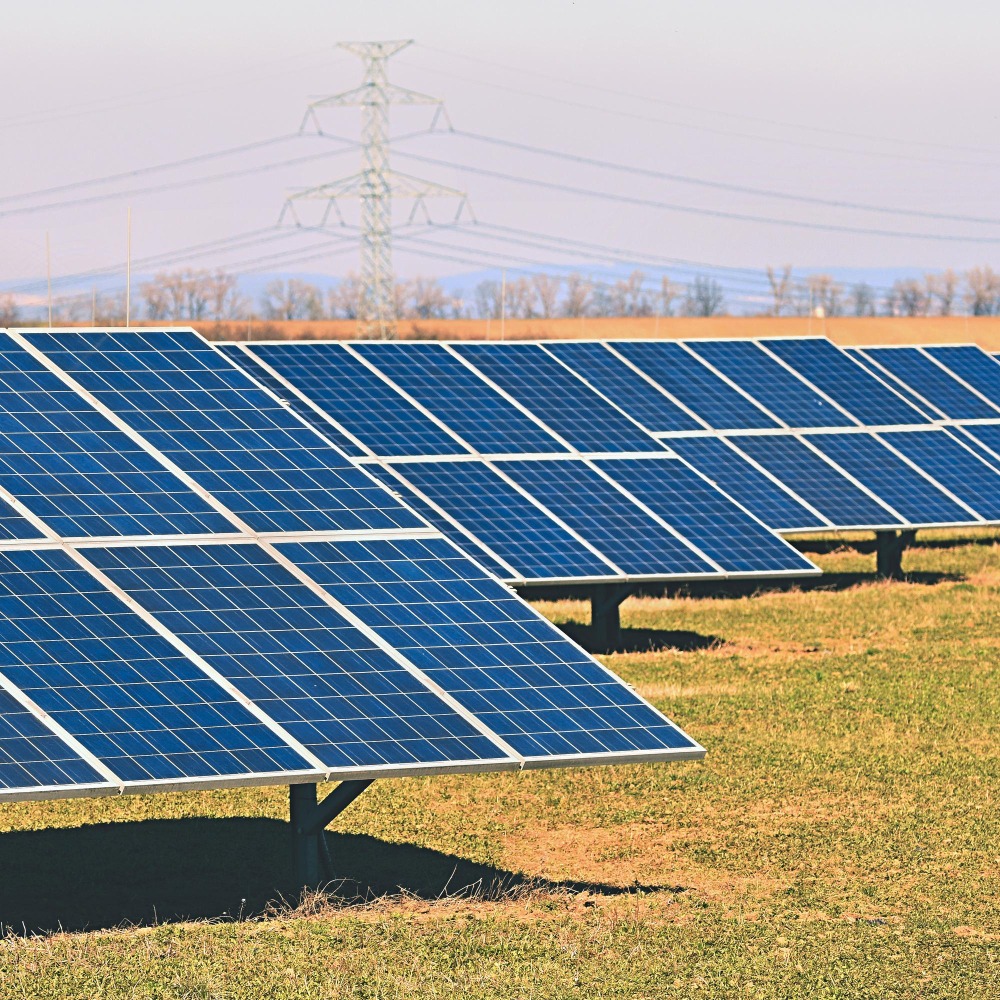
A 10 kW On-Grid Solar System in Haryana is often considered by large households, schools, clinics, offices, retail establishments, and small commercial facilities seeking to reduce daytime electricity purchases. Yet system capacity should never be selected only because 10 kW appears to be a popular package.
The right decision depends on electricity consumption, daytime load, available rooftop area, sanctioned load, tariff category, and applicable grid-connectivity requirements.
Start With Your Electricity Consumption in Haryana
Monthly electricity bills provide a useful starting point, but they do not reveal the complete consumption pattern. Two properties with similar monthly usage may have very different daytime electricity demands.
A 10 kW installation usually delivers the most value when a substantial portion of the generated energy can be consumed while the sun is available. Offices, educational institutions, clinics, and commercial establishments often have suitable daytime loads.
Check Whether Your Roof Is Ready
The required installation area varies according to panel wattage, module dimensions, orientation, spacing, and mounting design. Additional room may be needed for safe movement, cleaning, drainage, and access to water tanks or other rooftop equipment.
Evaluate the following conditions:
- Availability of largely shadow-free space
- Roof strength and structural condition
- Shade from buildings, trees, tanks, and antennas
- Safe access for installation and maintenance
- Suitable space for the inverter and electrical panels
A physical site survey is more reliable than calculating capacity from total roof dimensions alone.
Understand What Determines Solar Generation
A 10 kW rating describes the installed capacity of the system. It does not guarantee a fixed number of electricity units every day.
Generation can change due to:
- Panel orientation and tilt
- Seasonal sunlight conditions
- Dust and surface contamination
- Module temperature and shading
- Inverter efficiency and system losses
Performance should therefore be estimated across the year, with realistic allowances for seasonal variation.
Review the Financial Fit
The value of a 10 kW system depends on the electricity tariff and how much solar energy is consumed directly. Savings may be more attractive for properties paying higher daytime tariffs, provided the system is properly sized.
The quotation should clearly state panel and inverter specifications, mounting structure details, electrical protection, installation charges, monitoring features, warranties, and assistance with grid documentation.
Confirm Grid and Metering Requirements
An on-grid system operates alongside the electricity distribution network. Technical feasibility, sanctioned load, meter type, and net-metering procedures should be reviewed before installation.
The standard system will also stop operating during a grid outage for safety. Properties needing backup should evaluate whether a hybrid arrangement is more appropriate.
Make the Decision With Measured Data
Collect recent electricity bills, note daytime operating hours, identify future load additions, and obtain a rooftop assessment. This allows the proposed capacity to be checked against actual requirements.
To determine whether 10 kW is appropriate for your residential, institutional, or commercial property in Haryana, request a consumption and site-capacity evaluation from SUNGRID Solar.