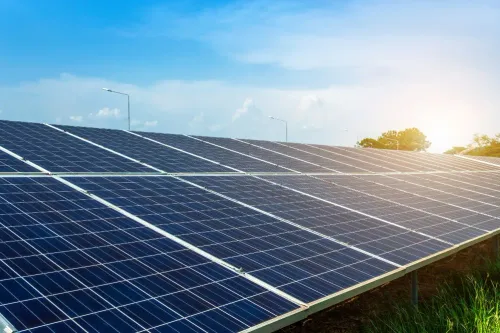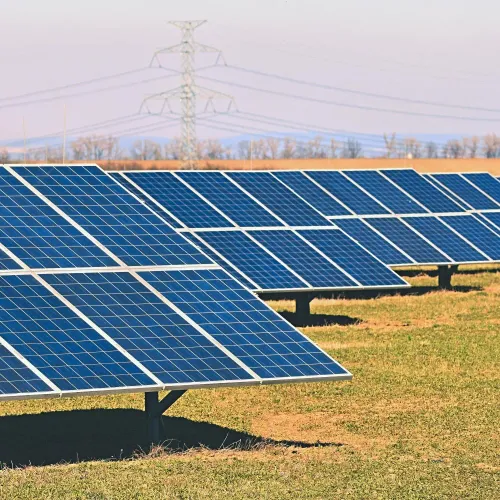


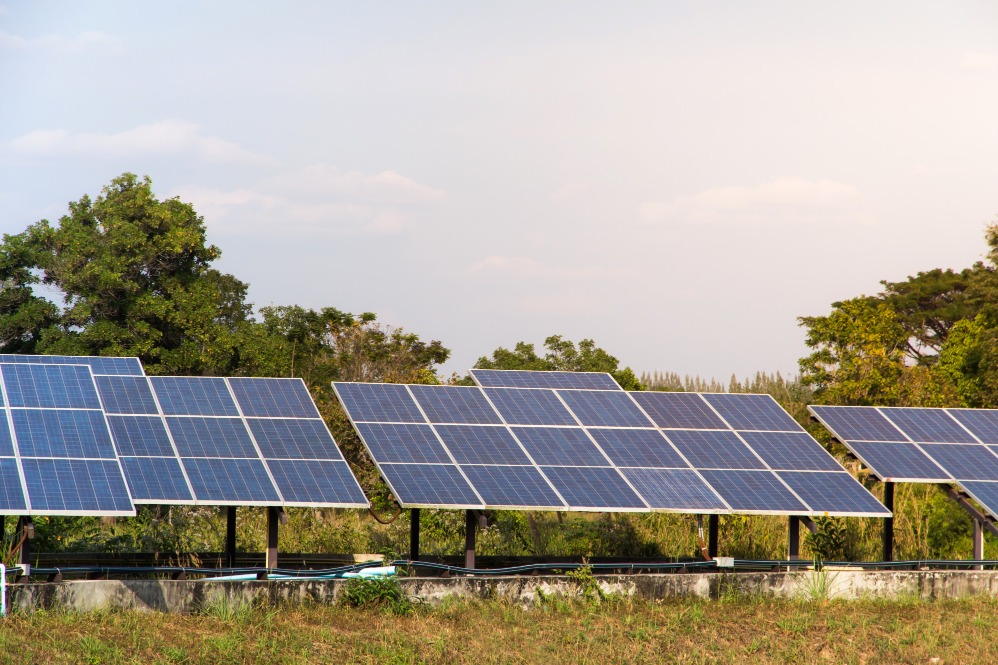
Some properties need electricity where grid access is unavailable, unreliable, or expensive to extend. Off-Grid Solar Power Systems in Haryana offer an independent energy arrangement by combining solar panels, battery storage, an inverter, and electrical controls.
Unlike a grid-connected system, an off-grid setup does not rely on the distribution network for routine operation. Its success depends on accurately matching generation and battery capacity to the property’s essential electrical loads.
Where Off-Grid Solar Is Useful in Haryana
Off-grid systems may be considered for locations where reliable grid power is difficult to obtain, such as:
- Farmhouses, agricultural sites, and remote residences
- Rural offices, security cabins, and small facilities
- Water pumping or monitoring locations
- Construction sites and temporary operational units
- Properties experiencing extended or frequent outages
The system can be designed for selected essential appliances or a broader electrical load, depending on available space, energy demand, and budget.
Main Components of an Off-Grid System
Solar panels generate electricity during daylight hours. A charge controller manages the energy supplied to the battery bank, while the inverter converts stored direct-current energy into alternating current for regular appliances.
A complete design usually includes:
- Solar modules sized for expected daily consumption
- Batteries with suitable usable storage capacity
- An inverter matched to running and starting loads
- Mounting structures and weather-resistant cabling
- Earthing, isolation, and electrical protection devices
Each component must be compatible. Increasing panel capacity without considering the battery and inverter may not improve overall system performance.
Load Calculation Comes First
A practical off-grid design begins with a list of appliances, their wattage, daily operating hours, and whether they start simultaneously. Equipment such as pumps, refrigerators, motors, and air conditioners can require higher starting power than their normal running load.
Essential and non-essential loads should be separated. Lighting, fans, communication equipment, and selected appliances may be prioritised, while high-consumption equipment can remain outside the solar backup circuit.
Battery Capacity Needs Careful Planning
Battery selection affects backup duration, maintenance, replacement costs, and usable energy. Buyers should compare battery type, depth of discharge, charging cycles, warranty, temperature tolerance, and space requirements.
Haryana’s high summer temperatures can influence battery performance and lifespan. Batteries should be installed in a protected, ventilated location and maintained according to the manufacturer’s recommendations.
Account for Seasonal Solar Conditions
Winter fog, monsoon clouds, dust accumulation, and shorter daylight hours can reduce generation. A reliable design should include an appropriate energy margin rather than relying only on ideal sunlight estimates.
Users also need a basic operating plan for prolonged low-sunlight conditions. This may involve limiting non-essential loads or using a compatible secondary charging source.
For an off-grid assessment based on your location, appliance load, and required backup duration in Haryana, discuss a customised system configuration with SUNGRID Solar.