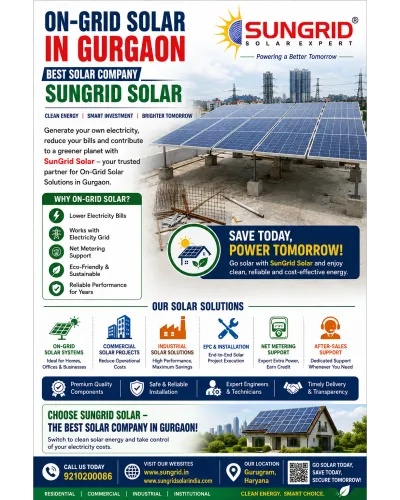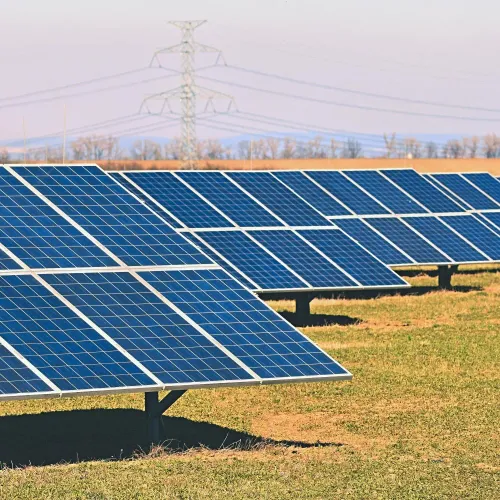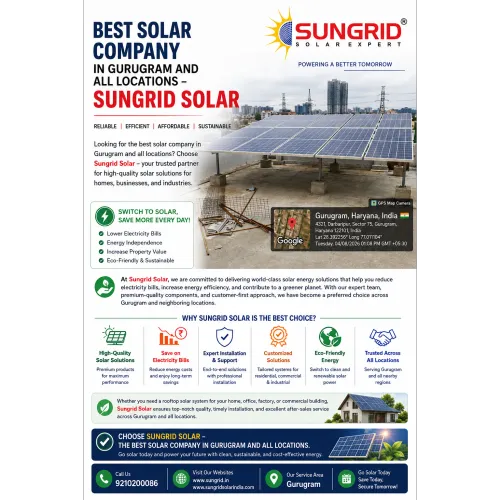


Businesses and households that consume substantial electricity during daylight hours can benefit from a grid-connected solar system. On-Grid Solar Solutions in Haryana generate power from sunlight while remaining connected to the local electricity distribution network, eliminating the need for battery storage in most standard installations.
How On-Grid Solar Works in Haryana
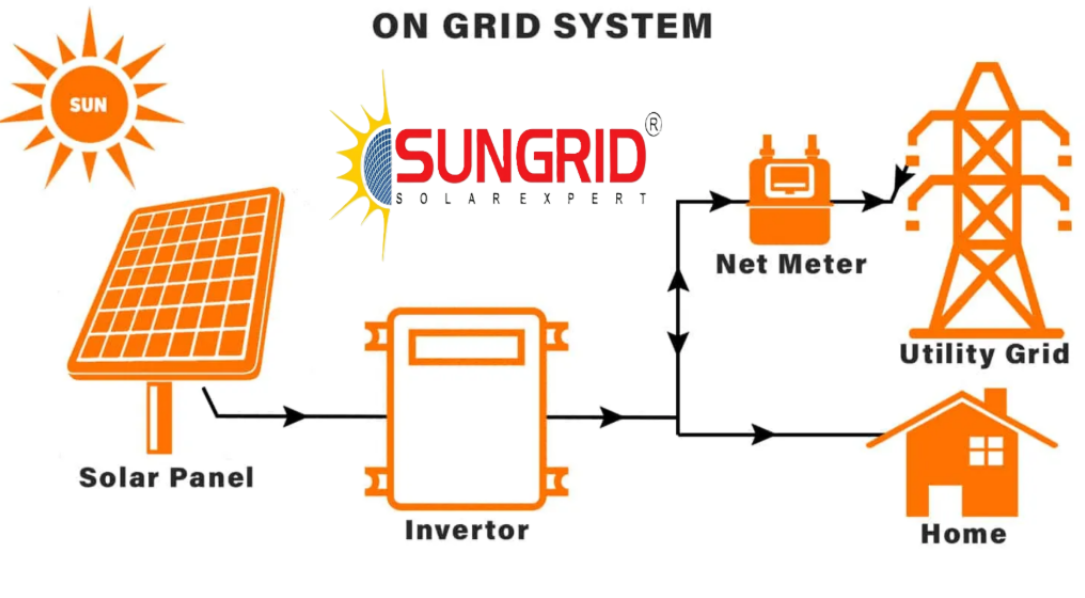
Solar panels produce direct-current electricity during the day. An on-grid inverter converts it into alternating current that can be used by appliances, machinery, lighting, air-conditioning systems, and other electrical loads.
Solar energy is consumed within the property first. When generation exceeds immediate consumption, eligible surplus electricity may be exported to the grid through an approved metering arrangement. When solar generation is insufficient, the property draws the remaining requirement from the grid.
Properties That Can Benefit
On-grid systems are particularly suitable for locations with regular daytime consumption, including:
- Homes with air-conditioning and daytime occupancy
- Schools, hospitals, clinics, and offices
- Shops, showrooms, hotels, and restaurants
- Warehouses and manufacturing units
- Institutional and commercial buildings
System capacity should be based on consumption patterns, available installation space, sanctioned load, and applicable distribution company requirements.
Key Advantages of Grid-Connected Solar
The absence of batteries makes an on-grid system comparatively simple and cost-effective. It can reduce purchased electricity during solar generation hours and requires less battery-related maintenance.
Other practical benefits include:
- Lower dependence on grid electricity during the day
- Real-time generation monitoring through compatible inverters
- Scalable capacity where space and electrical approvals permit
- Long operating life with routine inspection and cleaning
- Opportunity to use available rooftops productively
Actual financial benefits vary according to electricity tariffs, solar generation, self-consumption, weather, system design, and metering regulations.
Understand the Power-Outage Limitation
A standard on-grid inverter shuts down automatically during a grid outage. This safety feature prevents solar electricity from flowing into power lines while technicians may be working on them.
Therefore, an ordinary on-grid installation does not provide backup during a power cut. Properties that require uninterrupted electricity may need a hybrid arrangement, battery backup, or an existing generator and UPS system.
Plan the System Around Daytime Usage
Solar offers better value when the property consumes more of the generated electricity directly. Reviewing hourly or daytime demand can help determine a suitable capacity.
The roof should also be assessed for shade from water tanks, nearby buildings, trees, equipment, and future construction. Even partial shading can reduce output if the array is not designed carefully.
Set Realistic Performance Expectations
Generation changes with seasons, panel temperature, dust levels, shade, and weather. Regular cleaning is especially relevant in dusty parts of Haryana. Performance should be evaluated over meaningful periods rather than judging the system from a single cloudy day.
To explore an on-grid system matched to your daytime consumption and rooftop conditions in Haryana, request a technical assessment from SUNGRID Solar.