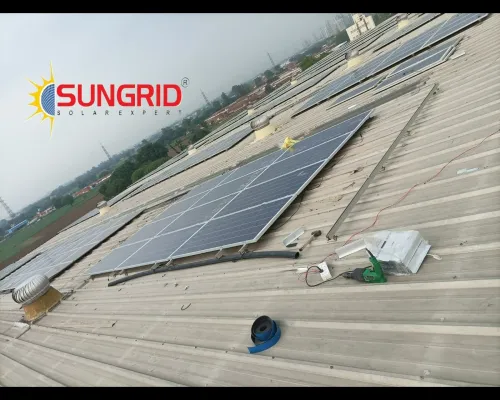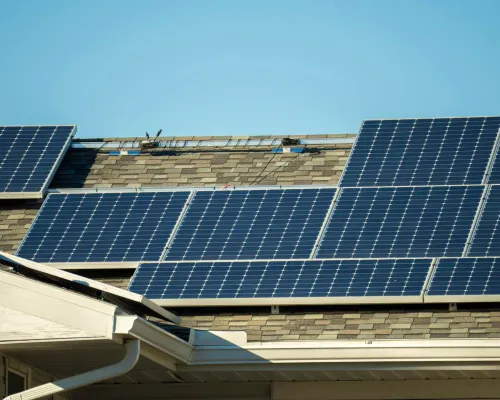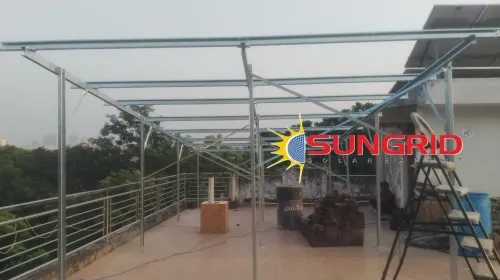

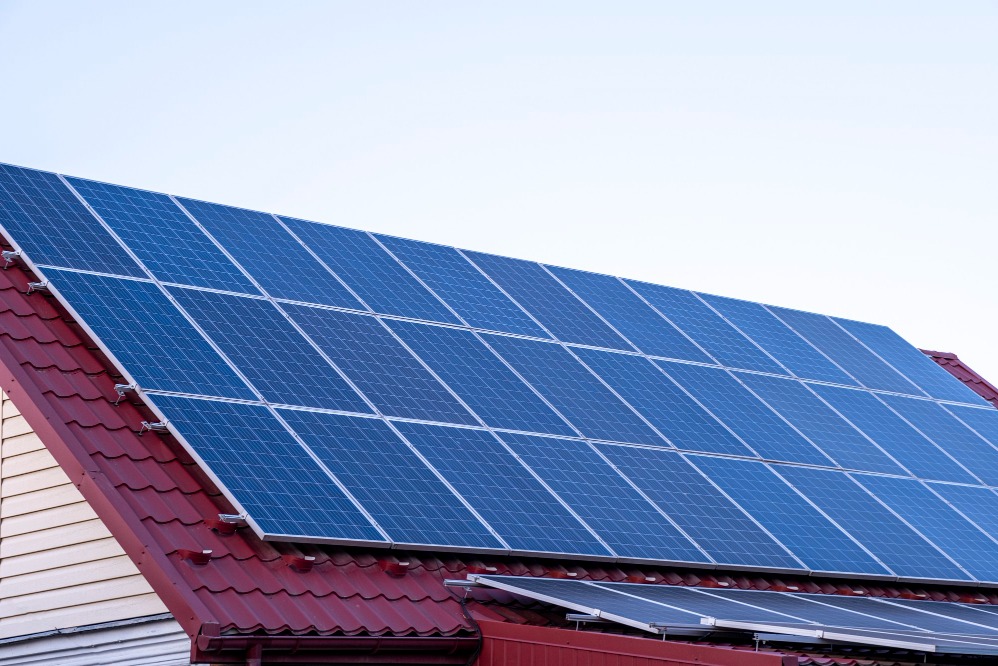
Installing Residential Solar Panels in Haryana can help homeowners manage rising electricity expenses while using available rooftop space to generate clean power. The key is to select a system based on actual household consumption rather than choosing capacity from a standard package.
Family size, appliance use, daytime occupancy, roof conditions, power outages, and future electricity needs all influence the most suitable configuration.
Read Your Household Consumption Pattern
Review at least six to twelve months of electricity bills. This reveals seasonal changes caused by air conditioners, coolers, water heaters, pumps, and other appliances.
Monthly units are important, but homeowners should also consider when electricity is consumed. An on-grid system offers stronger direct savings when appliances operate during solar generation hours.
Choose the System Type According to Your Priority
An on-grid solar system is suitable for homes with a reliable grid supply and a primary goal of reducing electricity bills. It generally has a lower initial cost because battery storage is not required.
An off-grid system stores solar energy in batteries and may suit properties with limited grid access. A hybrid system combines grid connectivity with battery backup for essential appliances during outages.
Your choice should reflect:
Frequency and duration of local power cuts
Need for backup during nighttime or outages
Daytime electricity consumption
Available budget for battery storage
Maintenance and replacement expectations
Selecting the system type before assessing these factors can lead to unnecessary expense or inadequate backup.
Inspect the Rooftop Carefully
Usable roof area is not the same as total roof area. Water tanks, staircases, parapet walls, neighbouring buildings, and trees may cast shadows across the panels.
The layout must preserve access to drainage outlets, plumbing lines, tanks, and maintenance pathways. Structural suitability should also be checked, especially for older homes or elevated mounting structures.
Ask the Right Questions Before Buying
Homeowners should request a detailed proposal instead of relying on a single package price.
Important questions include:
What generation is realistically expected throughout the year?
Which panel, inverter, structure, and protection components are included?
What workmanship and product warranties apply?
Who handles monitoring, cleaning guidance, and service requests?
Is support provided for net metering or subsidy procedures?
Clear written answers make proposals easier to evaluate and reduce misunderstandings after installation.
Plan for Long-Term Performance
Dust accumulation can reduce output, making periodic panel cleaning necessary. Loose connections, inverter alerts, unusual generation drops, and damaged wiring should be addressed promptly.
Homeowners should also check whether the monitoring system provides daily and monthly production information. Comparing actual generation with seasonal expectations can help identify performance issues early.
A suitable residential solar system should balance savings, safety, roof usability, and future household demand. To receive a home-specific recommendation based on your bills and rooftop conditions in Haryana, schedule a residential solar consultation with SUNGRID Solar.