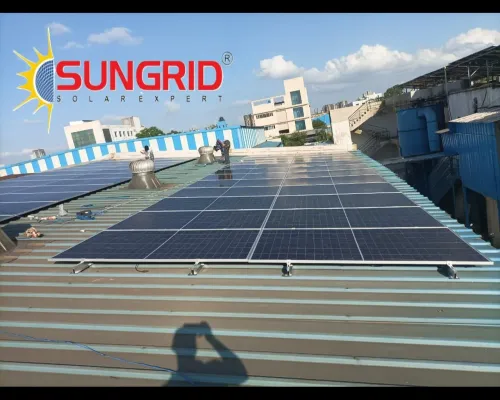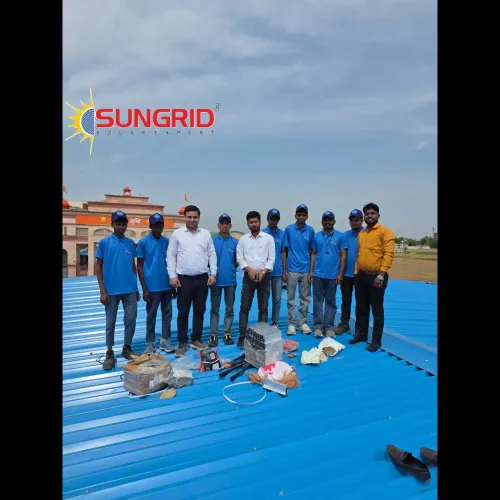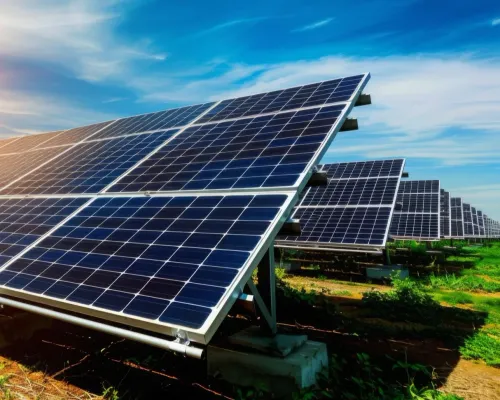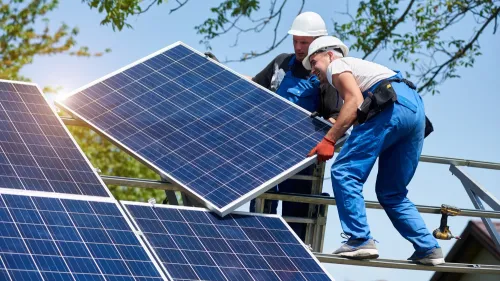

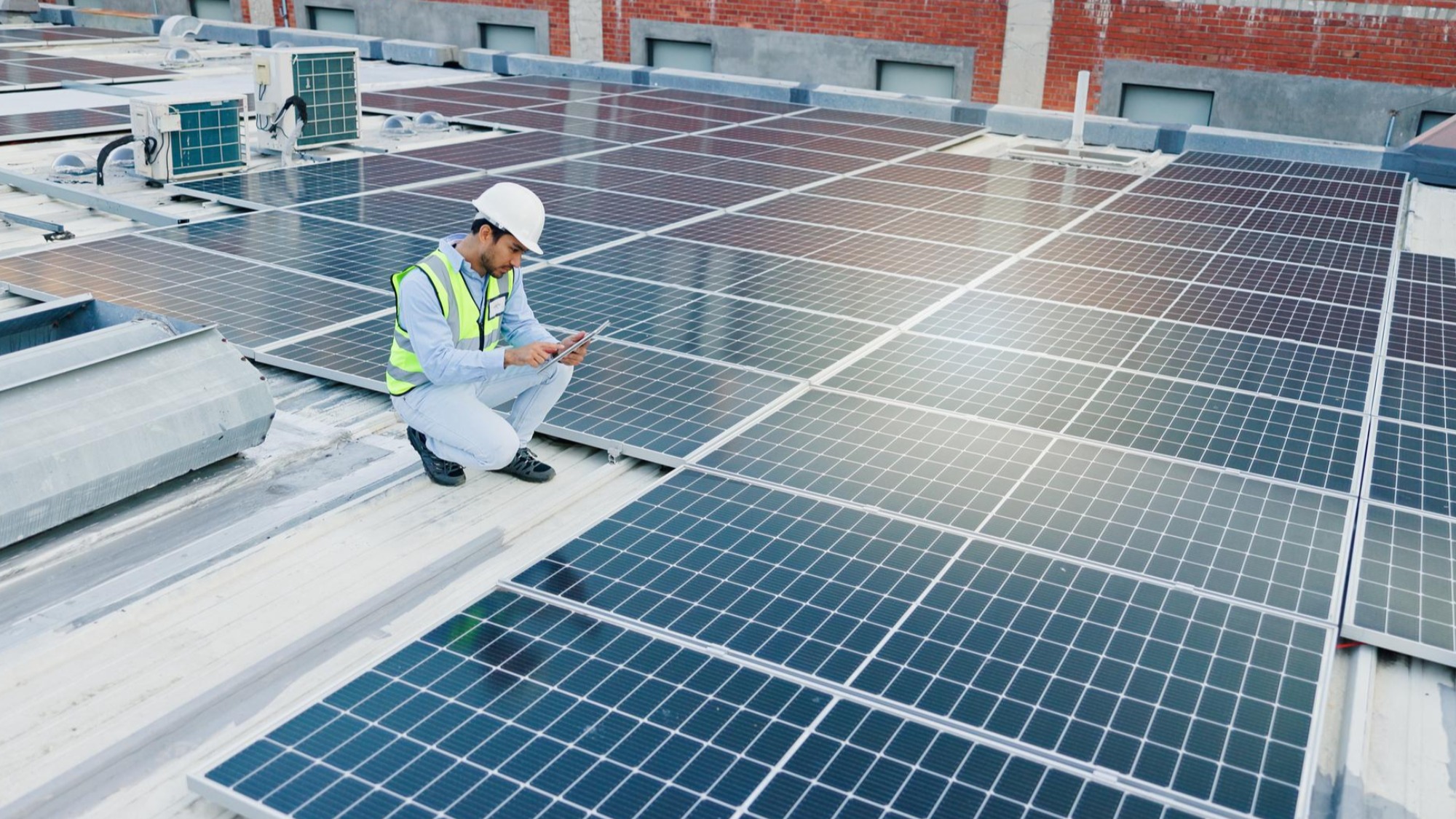
A successful Rooftop Solar Installation begins well before technicians arrive with modules and mounting structures. The planning stage determines whether the available roof can accommodate the proposed system safely and whether the installation is likely to produce electricity efficiently over the long term.
For properties in Gurugram, Haryana, rooftop conditions can vary considerably between independent houses, apartment buildings, commercial premises, institutions, and industrial facilities.
Measure Usable Roof Area, Not Total Roof Area
A roof may look large enough for solar, but the entire surface is rarely available.
Space may already be occupied by:
Water tanks
Staircase structures
HVAC equipment
Pipes
Antennas
Ventilation systems
Service pathways
Other rooftop utilities
Adequate access should also remain available for maintenance.
The practical question is therefore not How large is the roof? but How much unobstructed and technically suitable area is available for solar?
Study the Shading Pattern
Shadows can come from nearby buildings, trees, parapet walls, tanks, poles, and rooftop equipment.
More importantly, shadows move during the day and change through the year.
A location that appears completely sunny during one site visit may experience shading at another time. System designers should consider likely shading while deciding panel placement and layout.
Check the Roof Condition
Solar systems are expected to remain in service for many years. Installing them on a roof that already requires substantial repairs can create avoidable problems.
Before installation, inspect for issues such as:
Water leakage
Damaged waterproofing
Weak or deteriorated areas
Cracks
Corrosion around existing structures
Drainage problems
Where structural suitability is uncertain, appropriate professional assessment may be necessary before proceeding.
Understand Your Electricity Profile
Rooftop solar capacity should not be selected simply because a certain number of panels can physically fit.
Electricity consumption matters.
Review several electricity bills to understand average usage and seasonal fluctuations. Commercial properties should also consider operating hours and daytime loads.
If electricity requirements are expected to change because of new equipment, business expansion, additional air-conditioning, or electric-vehicle charging, mention this during planning.
Decide Where Major Components Will Be Located
Panels are only one part of the system.
The project also needs suitable locations and routes for components such as the inverter, electrical panels, cables, protection equipment, and earthing arrangements.
Planning these elements early can result in cleaner installation and easier future maintenance.
Preserve Maintenance Access
Panels occasionally require inspection and cleaning. Electrical equipment may also need servicing.
An installation that uses every possible centimetre of roof space can make maintenance unnecessarily difficult.
Practical layouts should preserve safe access to relevant equipment and important roof utilities.
Understand the Project Sequence
Although projects vary, rooftop solar commonly progresses through several stages:
Electricity-consumption review
Site survey
Capacity recommendation
System design
Technical and commercial proposal
Documentation or approvals where applicable
Equipment procurement
Installation
Testing and commissioning
Performance monitoring
Knowing the sequence helps property owners prepare the site and coordinate access.
Think About Gurugram's Local Conditions
Dust accumulation, seasonal weather, high summer temperatures, and surrounding construction can influence maintenance requirements in Gurugram and parts of Haryana.
The installation plan should therefore consider not only initial generation but also practical access for periodic cleaning and inspection.
A rooftop solar project performs best when roof suitability, electrical demand, shading, equipment placement, safety, and maintenance are considered together. Good preparation can prevent expensive modifications later and provides a stronger foundation for long-term solar generation.