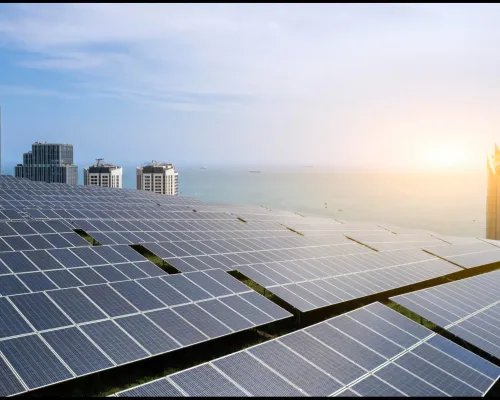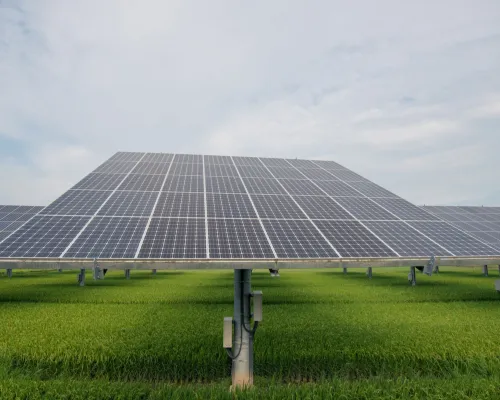


A grid-connected solar system can generate more electricity than a property immediately consumes during certain daylight hours. Solar Net Metering in Haryana provides an approved mechanism for recording electricity exchanged between an eligible solar installation and the distribution network.
Understanding the process before installation helps property owners avoid mismatched capacity, incomplete documents, technical delays, and unrealistic expectations about electricity bills.
How Net Metering Functions in Haryana
A bidirectional meter records electricity imported from the grid and electricity exported by the solar system. Solar energy is first used by active loads within the property. Eligible surplus energy then flows to the grid.
Billing treatment depends on applicable regulations, consumer category, approved system capacity, and the policies in force during the billing period. Net metering does not necessarily eliminate every part of an electricity bill because fixed charges, minimum charges, taxes, and other components may still apply.
Check Eligibility Before Purchasing Equipment
Approval requirements should be confirmed before finalising the installation. The proposed capacity may need to align with the property’s sanctioned load, connection category, transformer feasibility, and distribution network conditions.
Applicants should review:
Electricity connection and consumer category
Sanctioned load shown in official records
Permitted rooftop solar capacity
Technical standards for panels and inverters
Current metering and settlement provisions
Commercial, industrial, institutional, and residential consumers may face different requirements.
Prepare Accurate Application Documents
Incorrect names, addresses, load information, or ownership details can slow the application. Where the electricity connection is not in the property owner’s current name, records may need to be updated or supported with appropriate authorisation.
Frequently requested records may include:
Recent electricity bill and consumer details
Identity, address, or property documentation
Technical specifications and system drawings
Installer and equipment information
Inspection, testing, and commissioning records
Applicants should retain copies of every submission, approval, acknowledgement, and meter-related document.
Understand the Approval Sequence
The process may include online registration, technical feasibility review, system installation, inspection, agreement formalities, meter installation or replacement, and commissioning approval.
Starting work before completing the required steps can create complications. The installer should clearly explain which activities are included in the quotation and which charges or responsibilities remain with the consumer.
Size the System for Consumption, Not Only Export
Installing the largest possible system is not always the most economical choice. The financial result depends on how energy credits are treated and how much generated electricity is used within the property.
Review annual consumption, daytime demand, seasonal variations, roof space, and future load additions. A system aligned with real consumption can deliver more predictable value than one based mainly on maximum roof capacity.
Confirm Readiness Before Proceeding
Keep the electricity account current, verify sanctioned load, complete pending connection corrections, and ensure the proposed equipment meets applicable standards. Clear documentation and coordinated installation can make the approval process more manageable.
For support with solar system sizing and net-metering readiness for your Haryana property, arrange a documentation and technical review with SUNGRID Solar.