
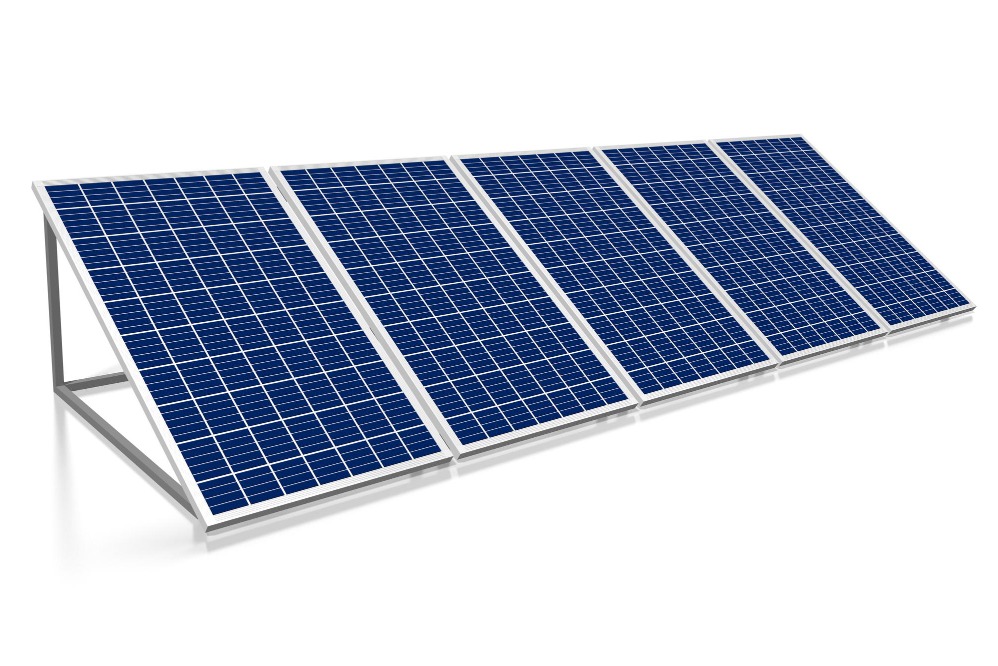
Solar installations are designed for long-term operation, but they still require inspection and preventive care. Solar Panel Maintenance in Haryana is particularly important because dust, heat, bird activity, loose connections, seasonal fog, and monsoon conditions can affect generation and equipment reliability.
Maintenance does not need to be complicated. A structured schedule can help property owners detect small issues before they cause significant output loss or system downtime.
Watch for Signs of Reduced Performance in Haryana
A lower electricity bill does not always confirm that the system is operating correctly. Owners should review inverter data or monitoring reports regularly and compare generation with previous periods under similar weather conditions.
Maintenance may be required if you notice:
A sudden or unexplained decline in daily generation
Repeated inverter warnings or system shutdowns
Visible dust, stains, leaves, or bird droppings
Loose cables, damaged conduits, or corroded components
Water accumulation around rooftop equipment
Seasonal variation is normal, but sharp or persistent changes should be investigated.
Clean Panels Safely and Correctly
Dust forms a barrier between sunlight and the solar cells. Cleaning frequency depends on local pollution, road activity, construction work, agricultural dust, rainfall, and panel tilt.
Panels should preferably be cleaned during cooler hours using clean water and non-abrasive tools. Harsh chemicals, metal brushes, and rough materials can damage the surface. Workers must follow rooftop safety procedures and avoid stepping on modules.
Inspect More Than the Panel Surface
Cleaning alone is not complete solar maintenance. The inverter, mounting structure, wiring, earthing system, protection devices, and meter arrangement also require periodic checks.
A professional inspection may cover:
Inverter performance and stored fault records
Cable condition, connectors, and junction boxes
Structure fasteners, corrosion, and panel alignment
Earthing continuity and protection equipment
Signs of shading, hotspots, cracks, or moisture entry
Thermal inspection or electrical testing may be recommended when irregular performance is detected.
Create a Practical Maintenance Schedule
Visual monitoring can be performed frequently, while detailed technical inspection may be scheduled periodically according to the system type, manufacturer guidance, and site conditions.
Commercial and industrial sites may need more frequent attention because even a small percentage of generation loss can affect financial returns. Maintenance should be planned without obstructing rooftop operations or production activities.
Keep Service and Warranty Records
Maintain copies of invoices, component serial numbers, warranty certificates, commissioning reports, cleaning records, generation reports, and previous service visits. These documents help technicians diagnose recurring problems and support valid warranty claims.
Avoid unauthorised repairs that may compromise electrical safety or affect warranty coverage. Any burning smell, exposed conductor, water damage, or repeated tripping should receive prompt technical attention.
For scheduled inspection, performance diagnosis, or preventive solar maintenance at a property in Haryana, book a system health check with SUNGRID Solar.